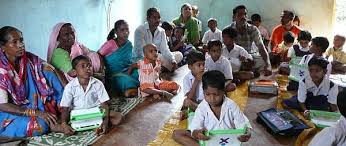
After India gained independence in 1947, the first Educational Minister had a vision of a country with centralized governmental control over education, and with a uniform educational system available to all children. Today, an estimated 80% of all primary education facilities for pupils up to the age of14 are government run or sponsored. Unfortunately, a shortage of resources and declining enthusiasm from the government mean the system suffers.
The pupil to teacher ratios low in most areas, especially in India’s rural centers. The lack of a solid infrastructure for training teachers leaves 40% of educators untrained. Poor facilities and a general lack of resources make things even worse. Education for children up to 14 is free, and though it is compulsory, attendance is typically low.
In recent years, public expenditure on education has decreased, despite the poor state of the system and the ever-growing need for improvement. During the same period, private expenditure on education in India has grown exponentially. Much of this additional funding is coming from Indians themselves – out of pocket spending by the country’s working class population aimed at bettering the education of their children has increased 1150% during the last decade.External funding sources also contribute to bettering the education system in India. Charitable organizations work hard to build new facilities and to improve old ones.

No comments:
Post a Comment